

New Delhi [India], June 12: India’s hair transplant sector has grown rapidly over the past two decades. Once a limited cosmetic treatment, it is now a mainstream medical procedure for a diverse range of patients. This growth has also increased focus on surgical ethics, physician involvement, and patient safety.
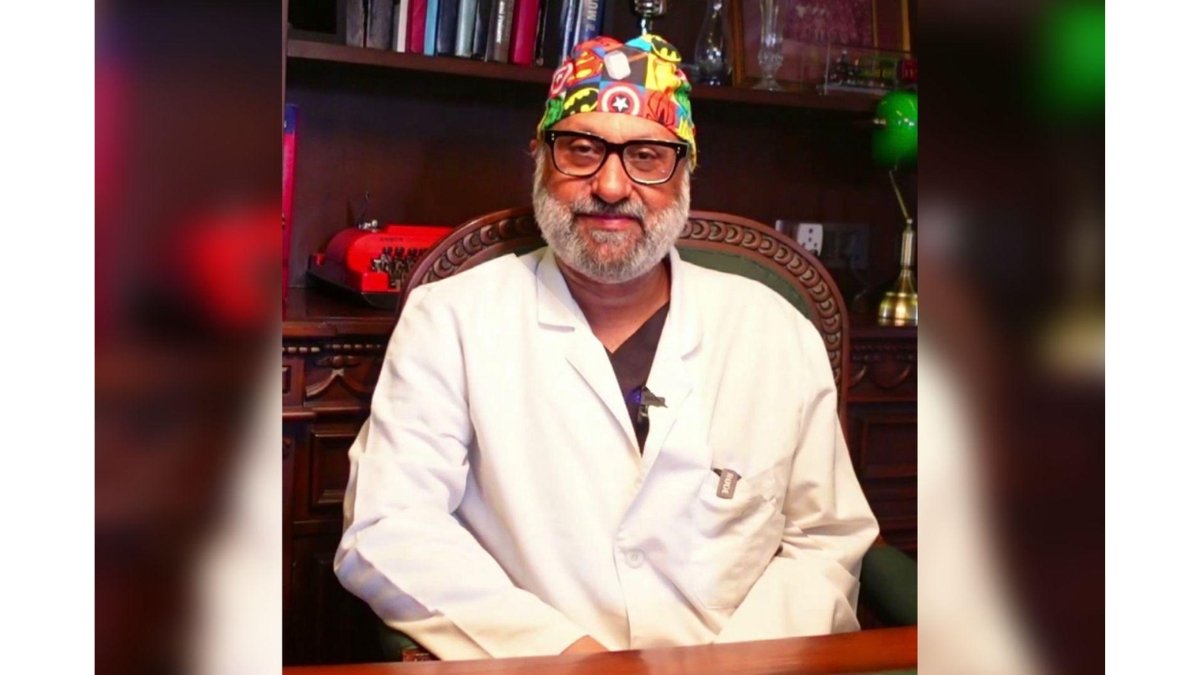
While many clinics shift toward large-scale commercial operations, Dr. Tejinder Bhatti, based in Mumbai and Mohali, marks 20 years in the field with a practice focused on direct surgeon-led care and controlled procedures.
Dr. Bhatti is recognized for prioritizing natural-looking results, long-term patient follow-up, and personally performing hair restoration procedures.
India Emerges as a Major Hair Transplant Destination
India is now a leading destination for hair transplant procedures, driven by affordable costs and increasing medical tourism. Patients worldwide travel to Indian cities for cosmetic and hair restoration surgeries.
However, experts note that rapid growth has raised concerns about quality control. Many clinics now use high-volume models where technicians perform procedures and surgeons oversee multiple patients at once.
Specialists emphasize that hair transplantation is a microsurgical procedure requiring careful donor planning, precise graft handling, and accurate implantation. Errors during surgery can cause permanent donor damage and unnatural results.
With increased patient awareness, more individuals now consider physician involvement and long-term treatment quality when choosing a clinic.
Darling Buds Clinic Builds Reputation for Personalized Care
Dr. Bhatti’s work is closely associated with Darling Buds Clinic in Mohali and Mumbai. The clinic is recognized for its personalized treatment approach, distinguishing it from high-volume cosmetic practices.
Patients and industry observers note that consultations at the clinic emphasize donor assessment, realistic expectations, and long-term planning before recommending surgery. Experts highlight the importance of this approach as more patients seek corrective procedures after unsuccessful transplants elsewhere.
The clinic also attracts international patients seeking doctor-led procedures and long-term follow-up, rather than package-based cosmetic treatments.
“One Patient, One Doctor” Model Gains Attention
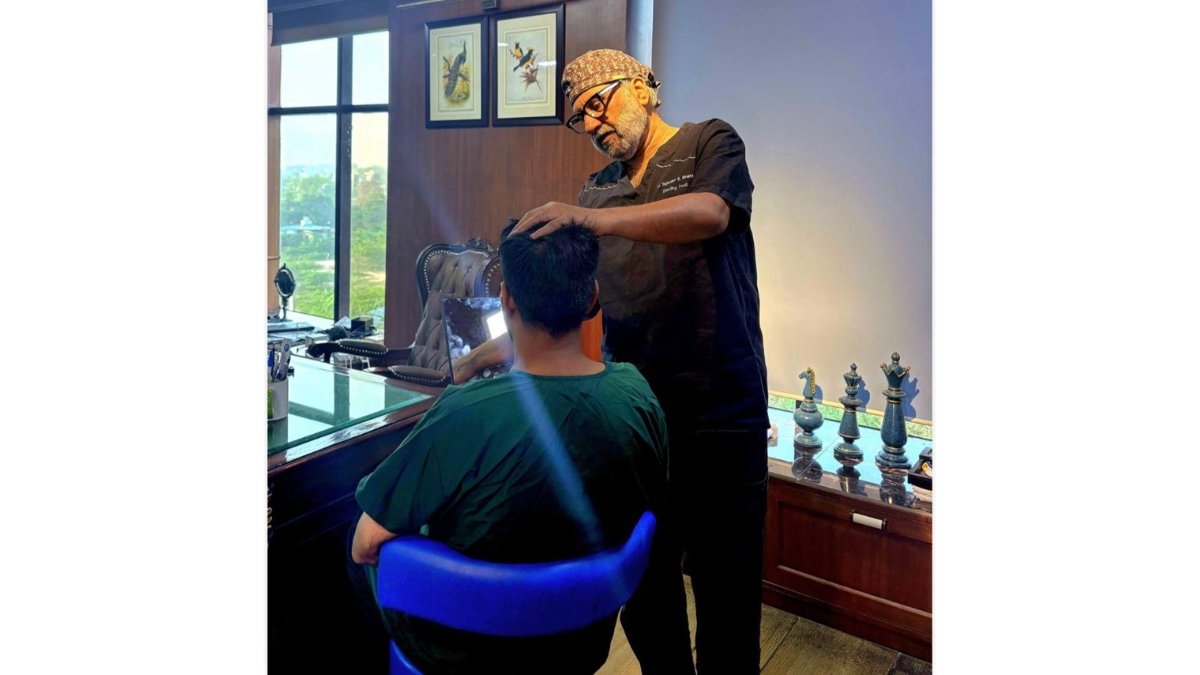
Dr. Bhatti’s “One Patient. One Doctor. One Clinic” approach distinguishes his practice from many commercial operations.
Rather than performing multiple surgeries simultaneously, Dr. Bhatti remains personally involved throughout each transplant. Experts in aesthetic surgery note that doctor-performed procedures often improve consistency in graft placement, hairline planning, and density distribution.
Medical professionals note that hair transplantation is not only a technical procedure but also an aesthetic one. The direction, angle, and placement of every graft influence how natural the final result appears.
As cosmetic procedures become more common, many patients now prefer personalized treatment over production-style clinics.
Natural Hairline Design Becomes Priority
Modern hair transplant surgery now aims for results that blend seamlessly with existing hair and remain undetectable, rather than simply covering bald areas.
Hair restoration experts state that natural hairline design is now a critical aspect of the procedure. Poorly planned hairlines can look artificial and may not age well. Dr. Bhatti has gained recognition for conservative, realistic hairline planning that considers long-term facial balance.
Specialists say this approach is important because hair loss often persists with age, making donor management critical for future correction or additional treatment.
Patients now expect results that look natural both in person and on high-definition cameras, especially given the prevalence of social media and digital visibility.
DHX Technique Focuses on Precision and Graft Survival
Dr. Bhatti developed the DHX hair transplant technique, which emphasizes careful graft handling and implantation planning to improve post-transplant survival rates.
Hair restoration specialists note that graft survival is a key factor in final density and long-term success. Damage during extraction or implantation can reduce growth quality and impact appearances during surgery, allowing faster recovery and limited visible scarring.
Experts observe that recent advancements in hair transplantation focus on refinement and consistency rather than dramatic cosmetic changes.
Hospital-Based Procedures Add Safety Layer
Dr. Bhatti performs surgeries at 5 Rivers Hospital in Mohali, unlike many standalone cosmetic centres.
Medical professionals state that hospital infrastructure offers higher sterilization standards, better anaesthesia support, and improved emergency preparedness compared to smaller clinics.
Safety is now a major concern in India’s cosmetic surgery industry as more low-cost operators enter the market. Doctors report that informed patients increasingly evaluate clinics based on medical infrastructure and surgical accountability, not just price.
For international patients, hospital-based procedures offer added reassurance about treatment quality and post-operative support.
As the industry continues to grow, discussions around ethics, patient safety, and medically supervised treatment are expected to remain important.
Over the past 20 years, Dr. Tejinder Bhatti has become one of the most widely recognized names in hair restoration surgery, especially among patients seeking natural-looking results and doctor-led treatment supported by long-term follow-up care.
Disclaimer: This press release is for general information purposes only and should not be construed as professional medical advice. Always consult a doctor before taking any decisions.
