

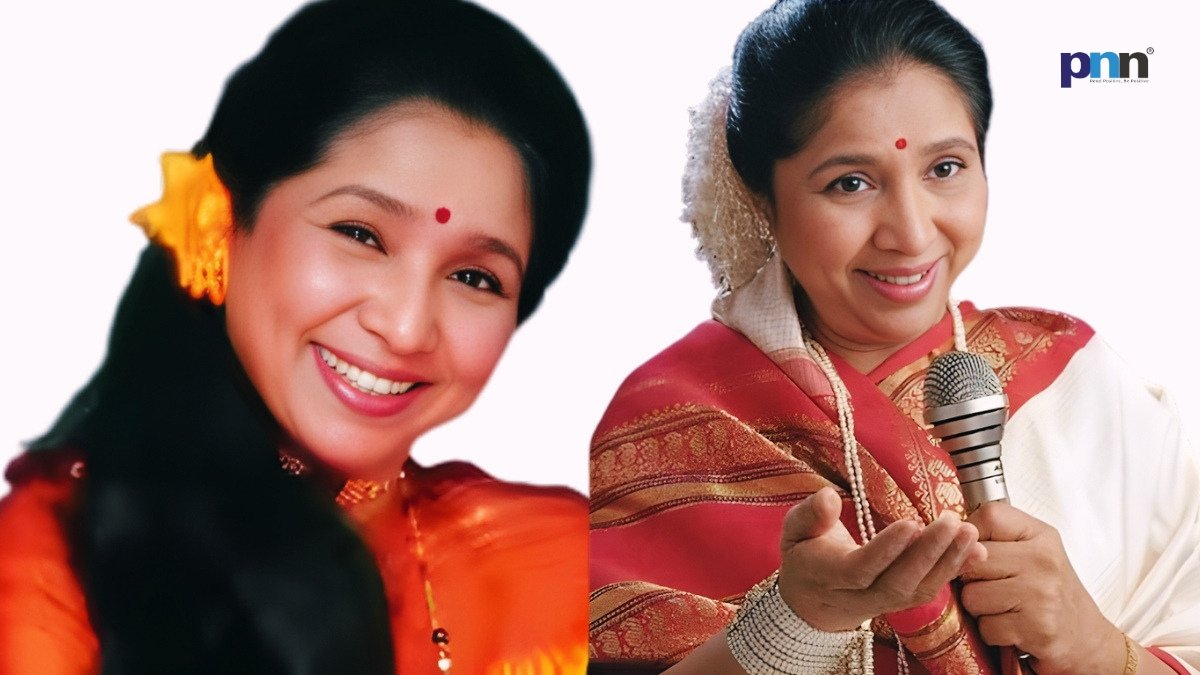
Mumbai (Maharashtra) [India], April 15: Indian music has lost one of its most timeless voices on Sunday, April 12, 2026. Asha Bhosle died at the age of 92 in a hospital in Mumbai. She was not just a singer; she was a lifetime laborer and a lifelong learner.
Starting Young
Asha started life in misery. In 1933, she was born in a musical family. Her father passed on when she was nine. She and her elder sister, Lata Mangeshkar, joined films to sing in order to help the family.
Her first song was recorded in the Marathi movie Majha Bal when she was 10 years old. Most children were playing, but Asha was in the recording studios learning to be disciplined and to be in control.
To Find Her Own Way.
Asha has been having difficulties standing out. Her sister Lata was already a leading voice, often chosen for soft, traditional songs. The rest of the tracks, fast, complex, and unconventional, were normally allotted to Asha.
She did not stand up against this, but modified. She practiced her voice to sing the jazz-type of songs, practiced speed and breath control to dance numbers, and developed a style that was versatile and unique. Unless she was the first choice to sing one kind of song, she was the first choice to sing lots of other songs.
The World Record
Asha Bhosle was, in the long run, the most recorded artist in history. Guinness World Records recognized her for recording over 11,000 songs across 20 languages.
She sang with different genres:
Classical music
Pop and dance music.
Ghazals (poetic songs)
Devotional music
Staying Modern
Asha could never cease to adapt. She even worked with new composers like A. R. Rahman in her 60s and 70s, and even joined international artists like Gorillaz.
In her extracurricular activities, she opened a chain of restaurants named “Asha’s; in her interests, she loved to cook. She used to say that she would have been a chef had she not been a singer.
A Life in Music
Asha experienced significant transitions both in the first years of post-independent India and in the digital era of music. Nonetheless, her training remained basic: practice every day and get better and better.
Her family (son Anand and her grandchildren) survives her. When she goes away, she leaves her recordings. In her work, you can see that even though you are working in the shadow of another person, you still can create a legacy of your own.
Iconic Songs by Decade
| Decade | Song | Film / Album |
|---|---|---|
| 1950s | Nanhe Munne Bachche | Boot Polish |
| 1960s | Aaiye Meherbaan | Howrah Bridge |
| 1970s | Piya Tu Ab To Aaja | Caravan |
| 1970s | Dum Maro Dum | Hare Rama Hare Krishna |
| 1980s | Dil Cheez Kya Hai | Umrao Jaan |
| 1990s | Rangeela Re | Rangeela |
| 2000s | Radha Kaise Na Jale | Lagaan |
| 2000s | Kajra Re | Bunty Aur Babli |
| 2010s | Chura Liya (Remixes/Performances) | Live/Albums |
Key Collaborations and Genres
| Music Director / Collaborator | Notable Songs | Genre / Style |
|---|---|---|
| O. P. Nayyar | Aaiye Meherbaan, Yeh Hai Reshmi Zulfon Ka Andhera | Cabaret, rhythm-heavy film songs |
| R. D. Burman | Piya Tu Ab To Aaja, Dum Maro Dum | Experimental, rock, pop fusion |
| Khayyam | Dil Cheez Kya Hai | Ghazal, classical-based |
| A. R. Rahman | Rangeela Re, Radha Kaise Na Jale | Modern film music, fusion |
| Bappi Lahiri | Jawani Janeman | Disco, dance |
| Gorillaz | Dare (Live/Collaborations) | International, alternative |
