

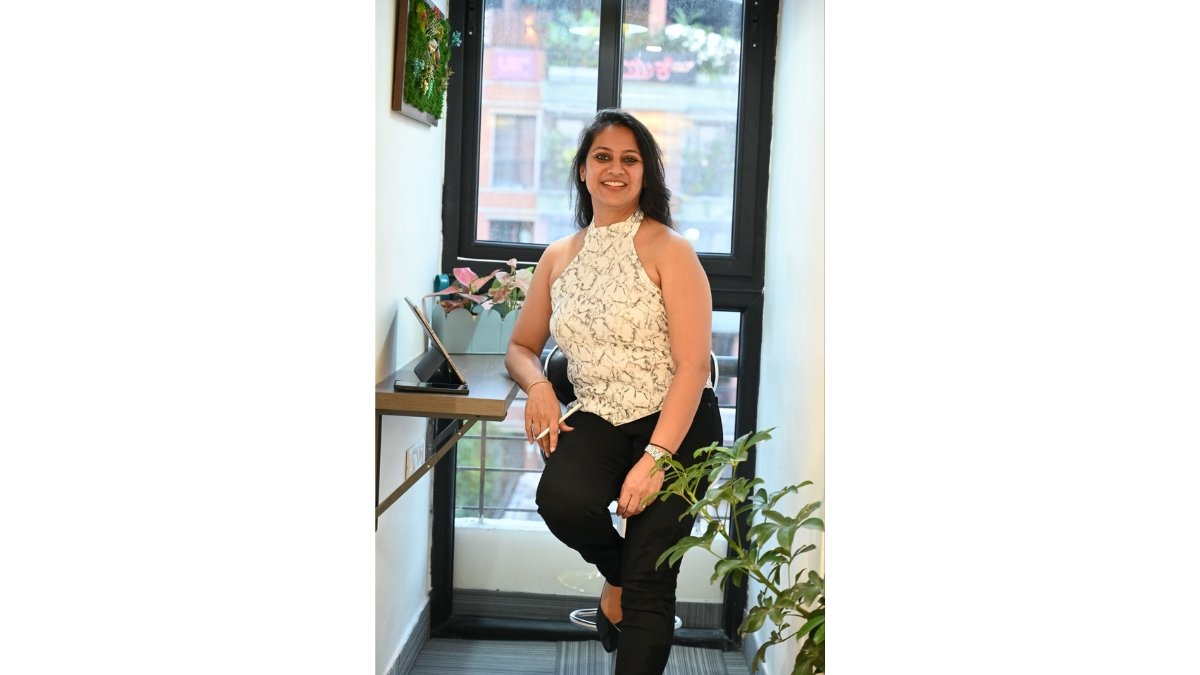
Revathi Rao Gurram, Founder of Stories Design Studio
Bengaluru (Karnataka) [India], May 19: Interior design trends change constantly. One year, spaces are dominated by muted minimalism. Next, bold textures and statement pieces take over. Social media has accelerated this cycle even further, creating a constant stream of visual inspiration that often pushes people toward designing spaces based on what is popular rather than what is personal.
For Revathi Rao Gurram, Founder and Design Principal of Stories Design Studio, this is where many spaces lose their identity. While trends can offer inspiration, she believes truly meaningful interiors begin somewhere else entirely: with people.
According to her, design is not just about creating visually attractive environments. It is about understanding how people live, what they value, and how they emotionally connect with the spaces around them. A well-designed space should not feel temporary or performative. It should feel lived in, intuitive, and deeply personal.
Looking Beyond Visual Trends
Revathi believes that trends have a place in design, but they should never become the foundation of a project. Many trends are cyclical by nature. What feels modern today may feel outdated a few years later. Designing a space purely around aesthetics often creates interiors that lack emotional connection and long-term relevance. Instead, her approach begins with understanding the individual or family behind the project. Before discussing materials, colour palettes, or layouts, she focuses on understanding routines, lifestyles, habits, and aspirations. This process helps create spaces that feel authentic rather than staged. For her, a home is not simply a showcase of design elements. It is a place where memories are created, relationships evolve, and everyday life unfolds. The design must support those experiences naturally.
The Human Side of Interior Design
At the heart of Revathi’s philosophy is the belief that every space carries a story. This idea eventually shaped the identity of Stories Design Studio through the phrase “Your Space, Your Story.” She views design as a collaborative process rather than a one-sided creative exercise. Clients often come with inspiration references collected from magazines, websites, or social platforms. While these references help identify preferences, they rarely reflect how people truly live. Two individuals may admire the same aesthetic, but their lifestyles and emotional needs can be entirely different.
This is why human-centric design becomes essential. A young couple working remotely may require flexible and multifunctional spaces, while a large family may prioritize interaction and comfort. A hospitality project must create memorable experiences, while a commercial environment must support productivity and movement. Each project demands sensitivity to human behaviour rather than blind adherence to visual trends.
Designing Spaces That Feel Natural
One of the reasons some interiors feel comfortable immediately is that the design responds naturally to how people use the space. Revathi believes good design should reduce friction in everyday life. Spatial planning plays a major role in this process. The way people move through a room, interact with furniture, or transition between spaces directly affects comfort and usability. Thoughtful layouts create ease, while poorly planned spaces can quietly create stress and inefficiency.
This understanding comes from experience across diverse project types. Over the years, Stories Design Studio has worked on compact urban homes, expansive residences, hospitality venues, clinics, commercial spaces, and even tree houses. Despite the difference in scale and purpose, the underlying design principle remains consistent: the space must work for the people using it. For Revathi, functionality and aesthetics are never separate conversations. A space should look beautiful, but it should also support daily life effortlessly.
Understanding Emotion Through Design
Design influences emotions more deeply than people often realise. Lighting, textures, materials, colours, and layout all shape how a person feels within a space. Warm lighting can create comfort. Open layouts can encourage interaction. Natural materials can create a sense of calm and grounding. Revathi approaches these elements carefully because she believes emotional comfort is just as important as visual appeal. A space may appear luxurious, but if it feels cold, overwhelming, or disconnected from the people living in it, the design loses meaning. This is where personalization becomes important. Customized furniture, curated materials, and carefully selected finishes help create spaces that feel unique rather than generic. Instead of replicating trends, her team focuses on creating interiors that reflect the personality and lifestyle of the client.
The Importance of Listening
One of the most overlooked skills in design, according to Revathi, is listening. Good design does not begin with assumptions. It begins with observation and conversation. Clients may not always express their needs directly through technical language. Sometimes their routines, habits, and priorities reveal more than visual references ever can. Understanding these details helps shape spaces that genuinely improve the way people live.
This listening process also builds trust. Interior design is deeply personal because it involves shaping environments where people spend most of their lives. When clients feel understood, the design process becomes far more collaborative and meaningful. Revathi believes that this connection between designer and client ultimately influences the quality of the final outcome.
Balancing Creativity With Practicality
While creativity is central to interior design, Revathi emphasizes that execution and practicality are equally important. A successful design must function well over time. Materials should suit the environment they are used in, layouts should support movement, and design choices should remain relevant beyond temporary trends. Her approach combines creativity with long-term thinking. Stories Design Studio continuously explores new materials, finishes, and technologies, but every decision is evaluated through the lens of usability and durability. This balance ensures that spaces are not only visually refined but also practical to live and work in. Luxury, in her view, is not about excess. It is about thoughtfulness, quality, and attention to detail.
Creating Spaces With Lasting Meaning
In an industry often driven by changing aesthetics, Revathi Rao Gurram continues to advocate for a more grounded and human approach to design. She believes the most successful interiors are not the ones that follow trends most closely, but the ones that connect deeply with the people who inhabit them. Design trends will continue to evolve, but human experiences remain timeless. The need for comfort, belonging, functionality, and emotional connection does not change. By placing people at the centre of the design process, spaces become more than carefully designed environments. They become extensions of identity and everyday life. For Revathi, that is where great design truly begins.
